Start with the upload tool
This page puts the working photo upload module before the explanations. It is made for people who want to test a selfie or portrait instead of taking a quiz.
Upload one clear photo to find what celebrity you look like. This photo-first celebrity match page gives you the working tool first, then explains how photo quality, lighting, and privacy affect the result.

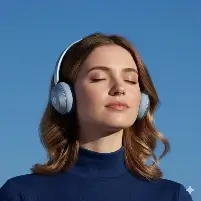
Use one sharp, front-facing photo with one person. You can click, drag, or paste an image.
The result panel is designed to show a top match, similarity wording, confidence, and additional celebrity matches.
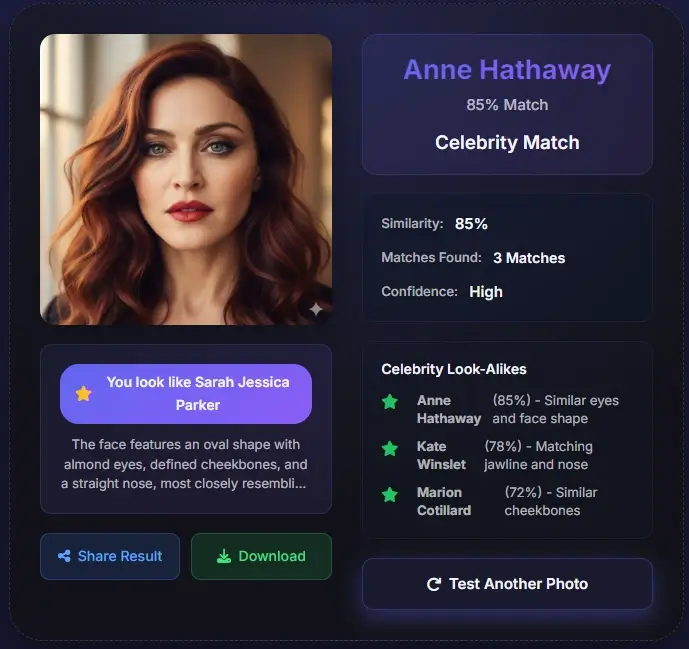
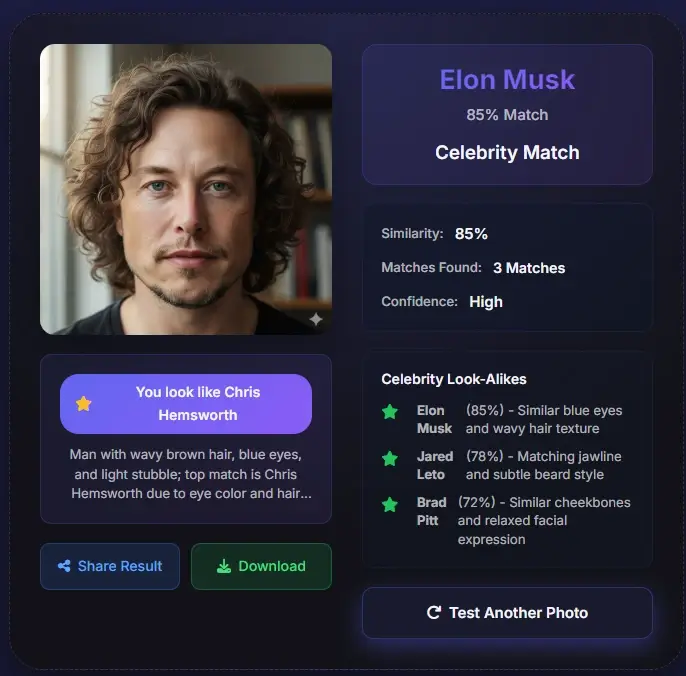
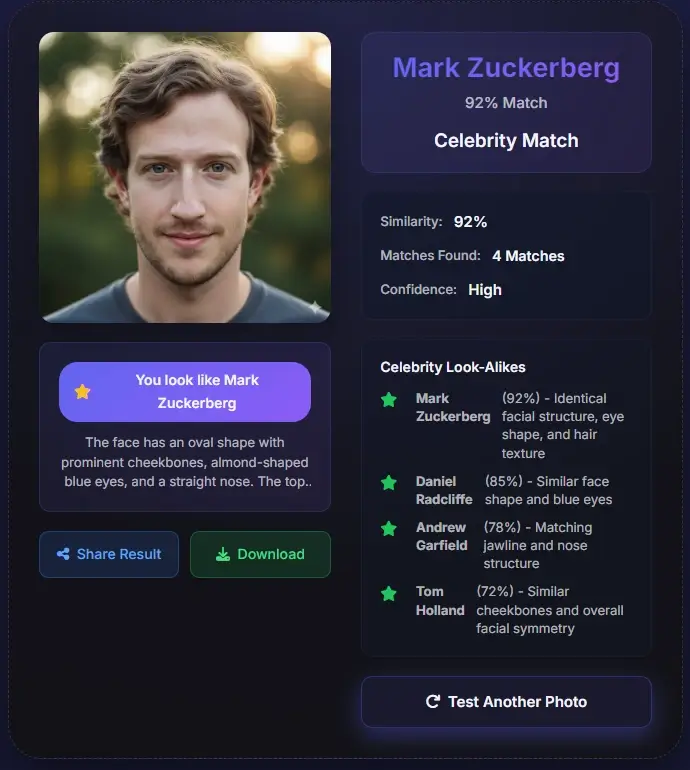
The upload-photo wording signals a direct task: choose an image, get a resemblance result, and understand what can make the match change.
This page puts the working photo upload module before the explanations. It is made for people who want to test a selfie or portrait instead of taking a quiz.
The output ranks visible facial similarity such as face shape, eye area, nose structure, lips, cheekbones, and jawline. It does not identify a person.
If a result looks surprising, compare a second clear photo. Angle, expression, light, crop, and filters can all change the visual signals in the image.
Use one visible face, a near-front angle, even light, and enough resolution to see facial features. Avoid group photos, sunglasses, and strong filters.
The tool reads visible facial landmarks and broader proportions, then compares those signals with celebrity face references. The analysis state shows what is happening while you wait.
Check the top match, similarity label, confidence wording, and additional matches. Treat the output as a fun photo-based comparison, not a verified identity result.
A second photo with similar lighting can help you tell whether a match is consistent or mainly caused by one angle, expression, crop, or shadow.
A celebrity look-alike result is based on the visible image rather than your name or profile. Depending on the photo, the comparison may reflect face outline, eye spacing, nose and lip shape, cheekbone structure, jawline, hair framing, and the overall balance of the face. These are visual cues for resemblance, not proof that two people are the same or related.
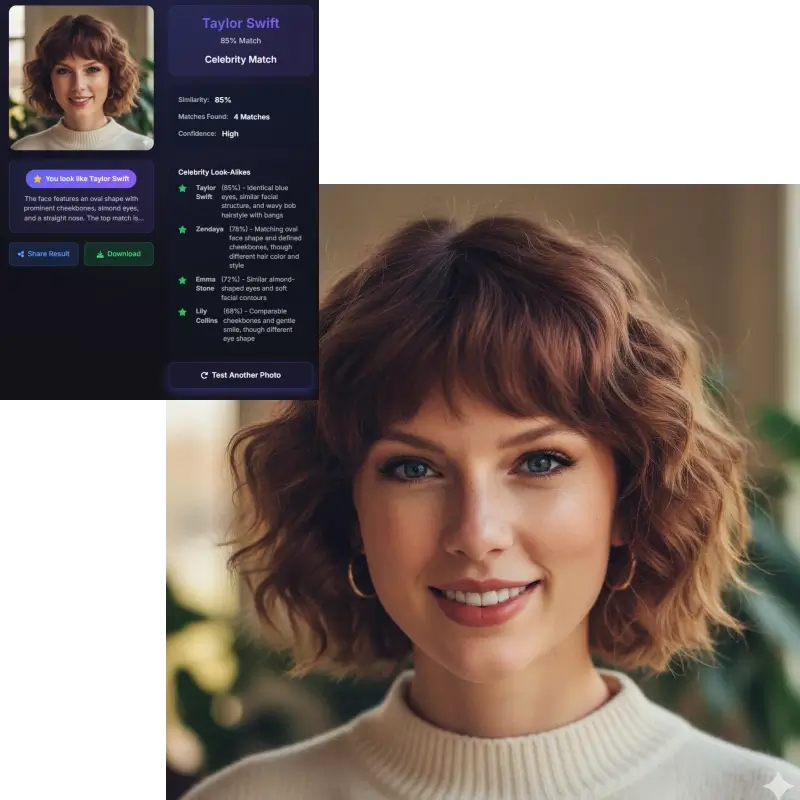
Uploading another photo can produce a different ranking because the system only sees the current image. Side angles hide some features, hard shadows change contours, expressions alter the mouth and eyes, and filters can reshape the face. A stable conclusion should come from several clear photos, not one unexpected result.
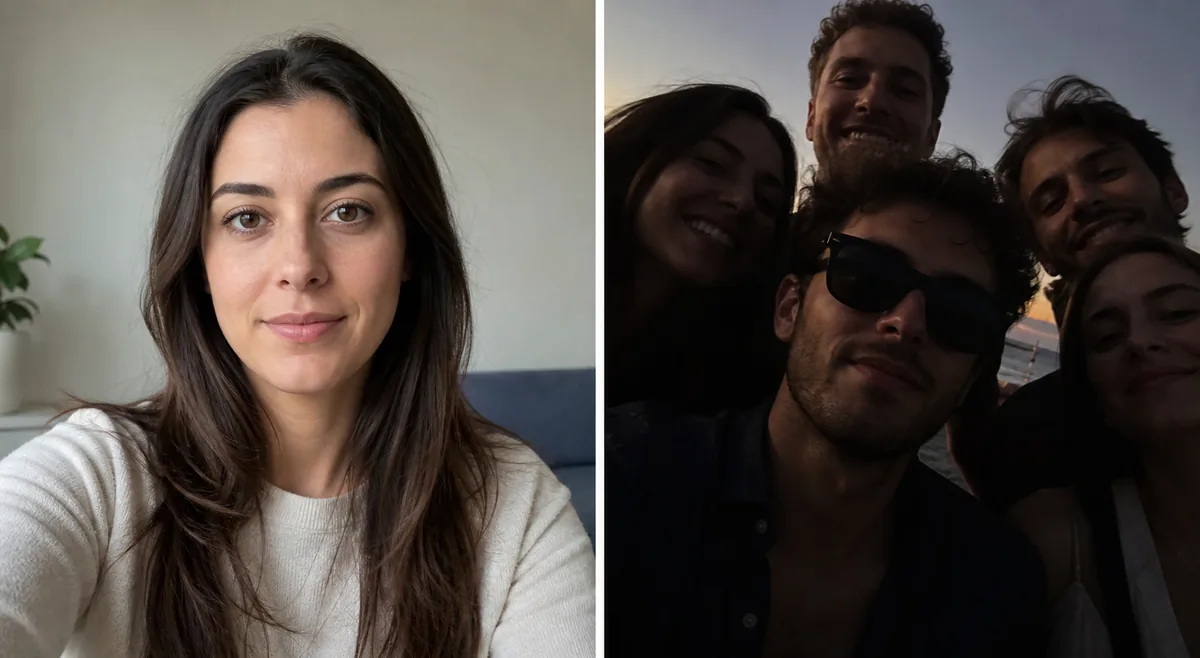
Use the page when you want a quick answer to who you look like, a shareable comparison, or a starting point for exploring celebrity resemblance. Keep the claim narrow: the tool estimates similarity from an uploaded photo and should not be used for identity checks, hiring, access decisions, or other serious judgments.
Cleaner inputs make the visible comparison easier to understand.
A single face lets the tool focus on one set of landmarks. Avoid group shots, reflections, and busy crops.
A straight or slightly angled face keeps the eyes, nose, cheeks, and jawline visible for comparison.
Balanced light reveals facial contours more consistently than strong shadows or bright backlighting.
Face reshaping, beauty smoothing, sunglasses, and face coverings can change or hide the features being compared.
The match is a photo-dependent estimate, so use the labels as context rather than certainty.
A high similarity label means the uploaded image shares visible patterns with a reference face. It does not verify who anyone is.
Confidence can fall when the photo is blurry, cropped, side-facing, edited, or poorly lit. The label describes the input quality and match signal.
If the same broad match appears in two good photos, it is more useful as a fun resemblance clue than a one-off result.
Do not upload IDs, documents, private scenes, medical images, or photos of people who have not agreed to the test.
Face photos are personal. Review the site's privacy information and interpret every result as an entertainment-based resemblance estimate.
Before uploading, review the privacy policy for information about image processing, retention, and service providers.
Lighting, camera quality, expression, makeup, hairstyle, and angle can affect which celebrity appears closest.
A look-alike result is not biometric identification and should not be used for access, employment, safety, or identity decisions.
For a broader finder experience, use the main celebrity look-alike finder. For a famous-twin framing, use the celebrity doppelganger finder.
Upload one clear photo and the tool will return the closest available celebrity resemblance matches. The result depends on the visible face in that image, so it is a photo-based estimate rather than a fixed identity answer.
Use one sharp, front-facing photo with one person, even lighting, a visible face, and minimal editing. Avoid sunglasses, heavy filters, strong shadows, group photos, and extreme side angles.
The page provides a direct upload experience for the available free analysis flow. Limits or service conditions may apply, so read the on-page messages and privacy information before uploading.
The tool evaluates the current image. A different angle, expression, crop, light source, hairstyle, or filter can change the facial signals that are most visible and therefore change the ranking.
No. It estimates visual resemblance to public figures in an uploaded image. It is not identity verification, face authentication, or proof that two people are related.
Check the site's Privacy Policy for the current image-processing and retention terms before submitting a photo. Do not upload documents, private scenes, or images that you are not comfortable processing.
Upload a clear photo, review the closest resemblance matches, and try another image if lighting or angle may have affected the result.