How to Find Your Celebrity Look Alike: Photo Tips and Steps
A practical guide to choosing the right selfie, using a photo matcher, understanding changing results, and checking privacy before you upload.

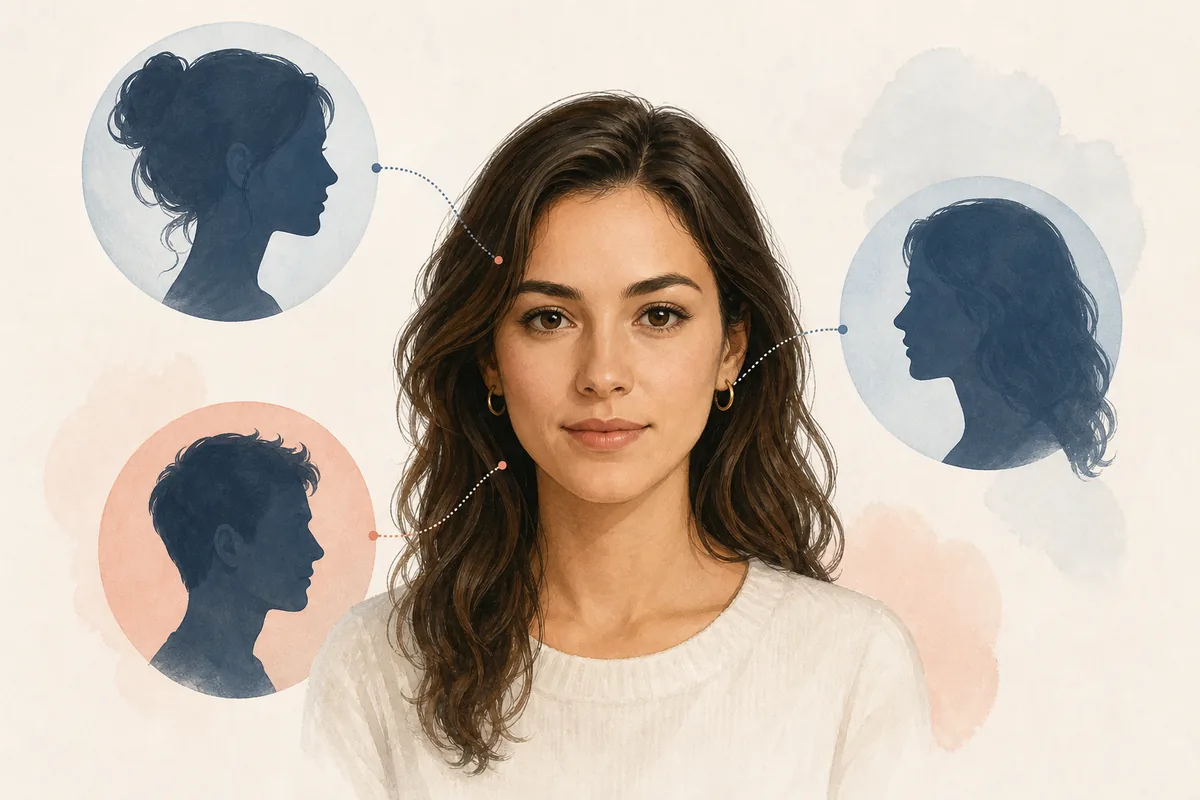
Table of Contents
- Choose the right kind of celebrity match
- Choose a photo that gives the match a fair chance
- How to find your celebrity look alike from a photo
- Read the result as a resemblance clue
- Why results change and how to improve the next match
- Check privacy and know the limits
- When a narrower page is a better fit
The fastest answer to how to find your celebrity look alike is not to upload the first photo in your camera roll. Start by deciding whether you want a broad celebrity match, an actor or actress match, or a doppelganger-style comparison. Then use one clear photo and read the result as a visual similarity estimate. This guide explains the full process, the photo choices that commonly weaken a match, and the privacy questions worth checking before you submit a face photo.
Start with the right kind of celebrity match
A broad celebrity look-alike finder is the best starting point when you simply want to know which famous person you resemble. It can compare your photo with a wider mix of actors, singers, athletes, presenters, and other public figures. That broad pool is useful for entertainment, but it also means the result may not match the category you had in mind.
If your real question is which actor do I look like or which actress do I look like, a category-specific page can give you a cleaner answer. A doppelganger page is another variation: it frames the result as a famous twin or close visual double rather than a general celebrity ranking. These are different search intents, even though the words look alike, match, and resemblance overlap.
A quiz can be fun, but it usually guesses from answers instead of comparing a face photo. When your goal is a visual comparison, a photo matcher is the more direct route. Choosing the right page before you upload helps you judge the result against the expectation you actually had.
- Broad celebrity finder — Use this when you want a mixed pool of famous people and a quick answer to what celebrity do I look like.
- Actor or actress matcher — Choose a narrower category when the result should stay focused on film or television performers.
- Doppelganger finder — Use this framing when you want to explore a famous twin or close look-alike idea.
- Quiz or manual comparison — Keep this as a casual alternative when you do not want to upload a photo or want a non-technical experience.
The page type shapes the result
Do not judge a broad finder as inaccurate simply because you wanted an actor-only answer. Match the tool to the question before changing the photo.
Choose a photo that gives the match a fair chance
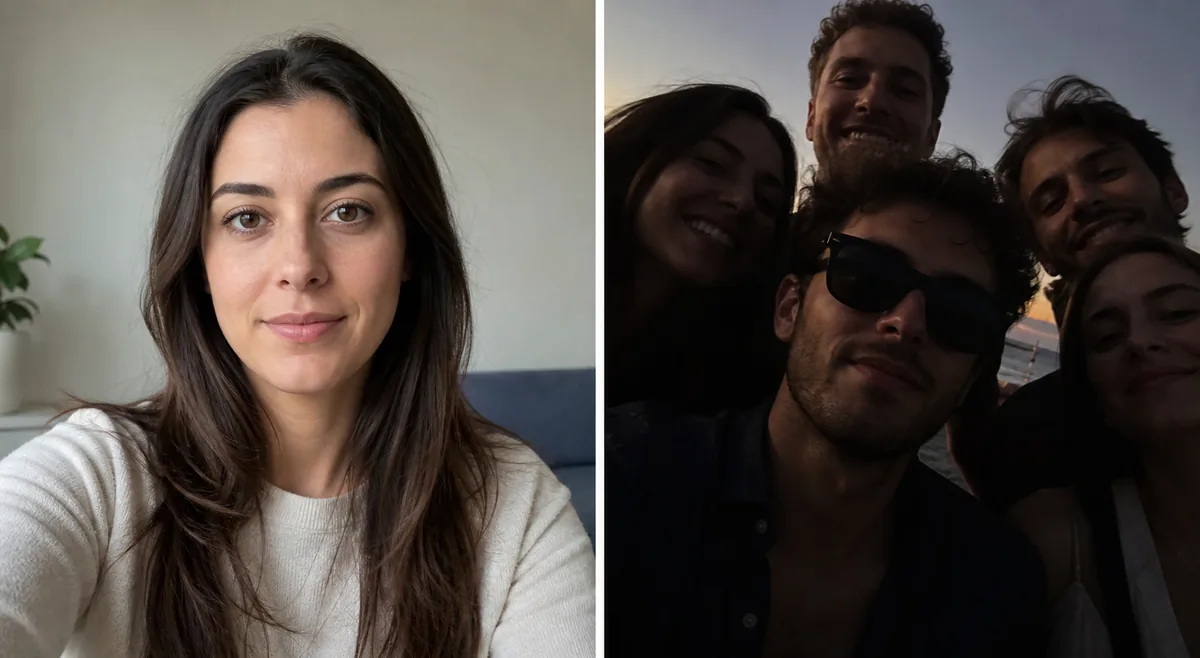
The best photo for a celebrity look-alike search is usually a single-person, front-facing portrait with even light and a visible outline around the face. A recent selfie can work well when the camera is level and the face is not pushed too close to the lens. You do not need a studio portrait, but you do need enough detail for the major features to remain easy to see.
Avoid group photos unless the tool clearly asks you to select a face. Multiple faces can make the crop ambiguous, and the wrong face may be analyzed. Sunglasses, hats, hair covering the eyes, strong backlight, and extreme side angles also remove information that a visual matcher may use to compare your face.
Filters deserve special attention. A beauty filter can change skin texture, eye size, jawline, or face proportions before the system sees the image. If you want the most repeatable result, begin with an unfiltered photo, then use a second image only if you are comparing how the tool responds to different conditions.
- One visible face — Use a photo where one person is clearly the subject and the face is not hidden behind another person or object.
- Even natural light — Soft light from the front or slightly to the side is easier to compare than a bright window behind you or a hard overhead shadow.
- Level, moderate distance — Keep the camera close to eye level and leave enough space to show the forehead, jaw, and chin without severe wide-angle distortion.
- Minimal editing — Start without beauty filters, heavy retouching, stickers, or effects that alter visible facial proportions.
Photo quality beats photo quantity
One clean portrait gives you a better baseline than uploading several dark, filtered, or inconsistent images and treating every changed result as a new truth.
How to find your celebrity look alike from a photo
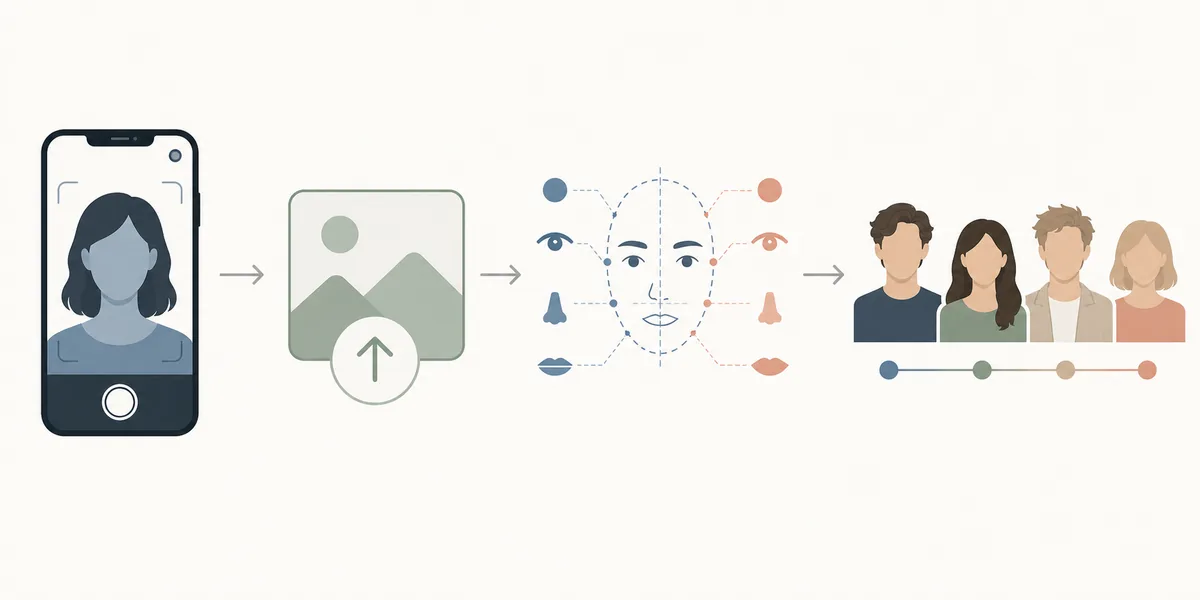
Once you have a suitable image, the workflow is usually short. Open a celebrity look-alike finder, choose the upload control, select the photo, and wait for the comparison to finish. A useful page should explain what happens next instead of leaving you with a vague loading state or sending you to a different service to complete the core task.
The result may show one top match or several possible matches. Some pages add a similarity percentage or a short explanation of shared cues. Treat those details as part of the product experience, not as a scientific identity score. A high percentage can be entertaining, but it does not prove that you are related to, identical to, or officially recognized as the celebrity shown.
For a cleaner test, change one variable at a time. Use the same photo when comparing two page types, or use two similarly framed photos when testing how much lighting or expression affects the result. If you change the photo, crop, expression, and tool all at once, you will not know which change caused the new match.
- 1. Confirm the page intent — Choose a broad finder, actor page, actress page, or doppelganger page that matches the question you want answered.
- 2. Upload one baseline photo — Start with your clearest unfiltered portrait so you have a stable reference for later comparisons.
- 3. Review the whole result — Look at the top matches, any explanation, the photo used, and the service notes instead of focusing on one name alone.
- 4. Test carefully if needed — Try a second image only when you have a specific question about lighting, angle, expression, or category scope.
A good test is repeatable
The goal is not to force a favorite celebrity into the result. It is to create a fair baseline and understand which parts of the match remain similar when the photo changes slightly.
Read the result as a resemblance clue, not proof
A celebrity match can feel convincing because several small features line up at once. Face shape, brow position, eye spacing, nose width, mouth shape, jawline, and hair framing can all influence the impression of resemblance. The system may weigh some of these signals more heavily than you would when looking casually in a mirror.
Look for patterns across the result rather than a single isolated feature. If three suggested celebrities share a similar face outline or eye-and-brow relationship, that tells you more about the visual cue being recognized. If the names are very different but the photos share the same pose or hairstyle, the result may be responding partly to presentation rather than stable facial structure.
It is also normal for a person to resemble different celebrities in different photos. Age, makeup, facial expression, hairstyle, camera lens, and lighting change the visible image. A match is best understood as a photo-specific resemblance, not a permanent label that defines your face.
- Face shape — Notice whether the forehead, cheekbones, and jaw create a similar overall outline.
- Eyes and brows — Compare spacing, brow angle, eyelid visibility, and the expression captured in the photo.
- Nose, mouth, and jaw — Small relationships between the central features and lower face often create the feeling of a match.
- Hair and styling — Hair framing, beard, makeup, and clothing can strengthen or weaken a visual resemblance even when the underlying face is unchanged.
Interpret the why, not only the who
The most useful result is the one that helps you understand the visible cues behind the match, while staying honest about uncertainty and photo conditions.
Why results change and how to improve the next match
When a result changes, it does not automatically mean that one of the results is wrong. A small head turn can change the apparent width of the nose, the jawline, or the distance between the eyes. A smile changes the cheeks and mouth. Different lenses can also make the center of the face look larger or flatter than it does in person.
The best next step is to identify the variable that changed. If the first photo was a front-facing indoor selfie and the second was an angled outdoor shot, compare the conditions before comparing the celebrity names. For a more useful test, take a new portrait with the same distance, height, expression, and crop as the original, changing only the light or background.
The available celebrity database matters too. One service may include more actors, singers, regional celebrities, or public figures than another. A match can therefore reflect both your face and the set of people available for comparison. That is why a result from one tool should not be treated as a universal ranking across every celebrity look-alike service.
- Keep the camera level — A level camera makes it easier to compare a second photo with the first one.
- Use a consistent crop — Keep the face at a similar size so the tool is not comparing a close-up with a distant portrait.
- Change one condition at a time — Test lighting, expression, or angle separately instead of changing all three together.
- Remember the database effect — Different tools can return different people because their comparison pools and result rules are not identical.
Variation is part of the format
A celebrity look-alike tool estimates resemblance from one image and one comparison pool. Expect some movement between results, especially when the photo conditions change.
Check privacy and know the limits
A face photo deserves the same careful attention as any other personal image. Before you upload, look for a privacy policy, a clear explanation of image handling, and a statement about whether the photo is retained, used for model improvement, or shared with service providers. If the page does not explain the basics, pause before submitting more images.
Do not upload someone else’s photo without permission, and do not use a celebrity match as an identity check. A look-alike result is an entertainment or comparison output, not proof of who a person is. Formal face-recognition evaluations distinguish technical verification or identification tasks from casual resemblance, and privacy guidance emphasizes transparency, data minimization, and clear expectations around biometric information.
You can also reduce exposure by using one image, removing unnecessary metadata when practical, avoiding group photos, and deleting saved copies from services you no longer use. These steps cannot replace a provider’s own responsibilities, but they help you make a more informed choice about where a face photo goes.
- Read the policy first — Check retention, deletion, model-training, third-party, and account requirements before the upload.
- Use your own photo — Only submit an image you have the right to use and avoid uploading another person without consent.
- Separate resemblance from identity — A celebrity match is a visual comparison and should not be used to identify a person or make a consequential decision.
- Upload the minimum needed — One suitable photo is usually enough for a first test; do not share extra images or profile information without a reason.
Privacy clarity is part of quality
A fun result is not worth unclear data handling. Prefer services that explain what they need, why they need it, and what happens after the comparison.
When a narrower page is a better fit
If a broad result feels too mixed, narrow the intent rather than endlessly retaking the same selfie. An actor-focused page can keep the comparison around male film and television performers, while an actress-focused page can keep the result around female performers. A doppelganger guide or finder is useful when you want to explore the idea of a famous twin and understand why that label can feel stronger than a general match.
This approach also makes your next comparison easier to evaluate. You know whether the change came from the photo, the category, or the comparison pool. Start with the broad finder for a general answer, then move to a narrower page when the question itself becomes more specific.
- Broad answer — Use the main celebrity look-alike finder when you want the widest public-figure comparison.
- Actor or actress answer — Use a category page when the celebrity type matters more than a mixed result list.
- Doppelganger answer — Use the doppelganger route when you want a famous-twin framing and a closer look at resemblance language.
A better question creates a better comparison
The most useful next page is the one that matches your actual intent, not simply the one with the most dramatic wording.
Which way to find a celebrity look alike fits your goal?
Use this quick comparison before choosing a page or uploading another photo.
| Approach | Best for | Strengths | Tradeoffs |
|---|---|---|---|
| Broad photo finder | A general answer to what celebrity do I look like | Wider comparison pool and simple first test | Results can mix actors, singers, athletes, and other public figures |
| Actor or actress page | A specific performer category | Clearer intent and fewer irrelevant matches | The pool is narrower and may miss a better match outside the category |
| Doppelganger finder | A famous-twin or close-look-alike framing | Useful language for exploring resemblance and shared cues | The word doppelganger can sound stronger than a photo-based estimate |
| Quiz or manual comparison | A no-upload, casual experience | More private and easy to share with friends | It does not compare the actual facial image in the same way |
How to Find Your Celebrity Look Alike FAQ
Helpful reference guidance
- NIST Face Technology Evaluations — Explains the difference between face analysis evaluation and face recognition technology evaluation, which is useful context for interpreting resemblance tools.
- ICO Biometric Recognition Guidance — Provides official guidance on transparency, data minimization, accuracy, and the responsible handling of biometric information.
Related Celebrity Look-Alike Pages
- Celebrity Look-Alike Finder — Upload a clear photo when you want a broad celebrity comparison.
- Which Actor Do I Look Like? — Use the actor-focused matcher when your intent is limited to male film and television performers.
- Celebrity Doppelganger Finder — Explore the famous-twin framing when you want a doppelganger-style result.
- Celebrities That Look Alike — Read examples of famous pairs and the face clues behind a resemblance.
Last updated: August 2, 2026